
women in pakistani theatre
In the commercial theatre of the past in Pakistan, known popularly as the Parsi Theatre, usually men performed the role of women. By the turn of the twentieth century, however, women started to make their presence felt
To learn about the women who have worked in theatre in Pakistan it is crucial to know about the various strands of theatre in the country.
At first, women who performed on stage or in films were professional singers and dancers. There was then a strict division between those who pursued the performing arts as a career and those for whom it was not a matter of earning a living. Most of the leading women in the early films too were either not of Indian origin or came from the backgrounds mentioned above. All the singing stars, in particular, came from this background because they had to be singers. Gradually, the advent of radio began to make an impact and women from the ‘respectable’ section of society started to break this taboo. In college plays, the initial breakthrough had taken place when women like Kamini Kaushal, daughter of a professor, started to appear in films in the 1940s.
In the commercial theatre of the past, known popularly as the Parsi Theatre, men usually performed the role of women. By the turn of the twentieth century, however, women started to appear on stage. The most prominent among these actresses was Mukhtar Begum, who, on the basis of her singing became the leading star of Agha Hashr’s plays. Agha Hashr was such an important playwright of the Parsi theatre that his name alone was guarantee of a play’s success at the box office.
When Pakistan was established in 1947 it took a while for theatrical activities to reorganize. It was only by the mid-fifties of the last century that some plays were staged in major cities of the country, including Lahore. At the very outset, the dearth of actresses was felt. Finding talented women to act in plays had always been a problem and usually only plays with few female roles were staged to circumvent this problem.
In the amateur/college plays, one of the first women to have played a number of famous roles was Promilla Thomas. She was educated at Kinnaird and Government College, Lahore, and was one of the very few girls who participated in the activities of the Government College Dramatic Club. The fact that she was not a Muslim facilitated her decision to act since Muslim women were too shy to appear on stage or on screen. In any case, most women stayed away from the stage because of pressure from their families. It was far easier for girls coming from other religious backgrounds and so Promilla Thomas, a Christian, was followed by Safia Dean, another Christian who appeared on the Lahore stage. The latter started her career in the theatre and was soon selected to do a course at the Royal Academy of Dramatic Arts (RADA) in England. This was a unique opportunity because at that time very few men had been to RADA.

In the 1950s the wife of a Swedish diplomat, Sigrid Kahle, reactivated amateur theatre in Karachi. She staged many plays and also acted in them herself. These were English plays and were staged for small audiences. Kahle was able to rally round her many actors who became famous later due to their contribution to the stage, radio and television.
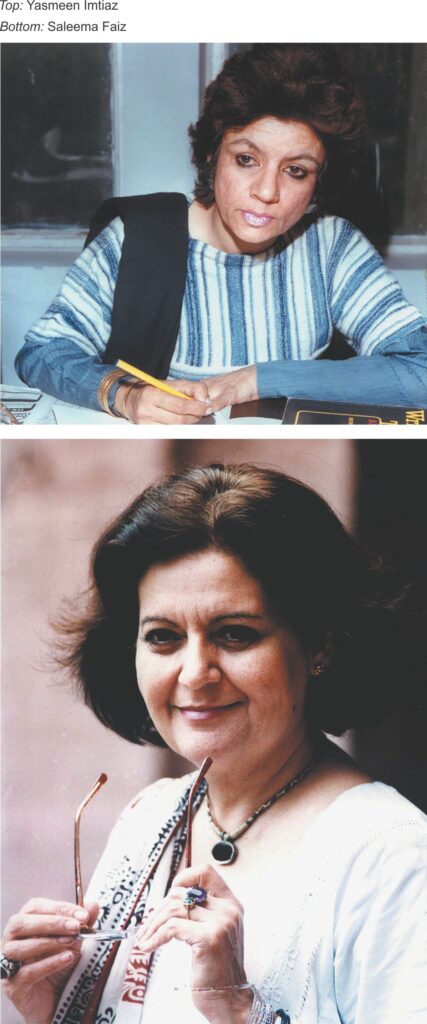
In Lahore a few other women started to make an appearance in plays as well. For Yasmin Imtiaz, being the daughter of Imtiaz Ali Taj and Hijab Imtaiz Ali made it easier for her to appear on stage. This was because Hijab Imtiaz Ali was a prominent short story writer and one of the first women pilots of the sub-continent while Imtiaz Ali Taj was a litterateur, the leading playwright of the country, and someone who had written for films as well. He was also the Secretary of the Pakistan Arts Council, Alhamra, where these plays were staged. Similarly, Salima Faiz too was allowed to act in plays because she was the daughter of the leading Urdu poet Faiz Ahmed Faiz who succeeded Imtiaz Ali Taj as the Secretary of the Pakistan Arts Council, Alhamra.
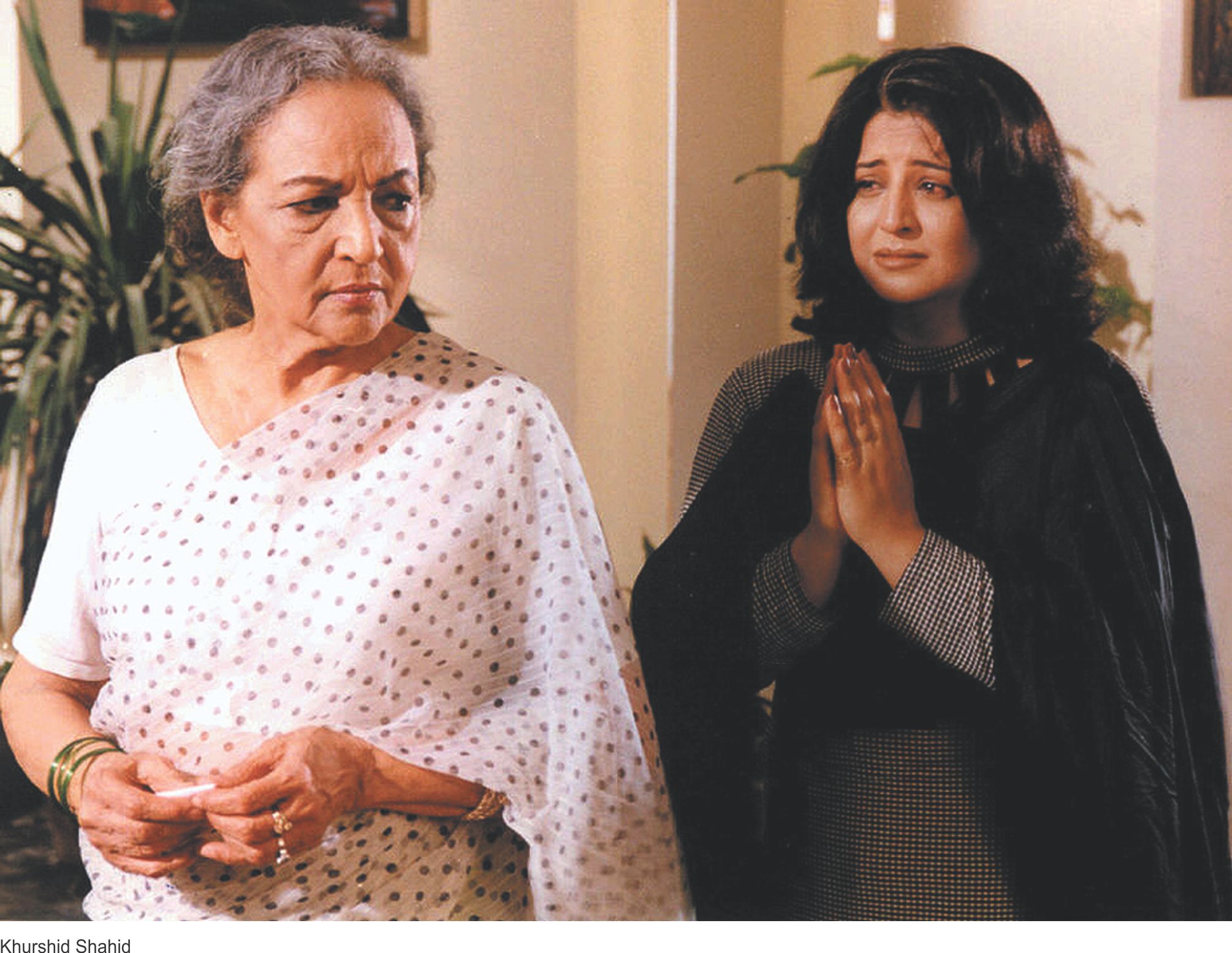
But credit should go to Khurshid Shahid who was one of the first Muslim women to appear on stage, though her passage there was made somewhat easier by her husband who was a radio producer. She herself made her debut on the radio and then stepped onto the stage to make up for the paucity of women performers there. She went to England with her husband Saleem Shahid, who had joined BBC radio. When she came back to Pakistan she started to act in stage plays regularly. Her acting career lasted well over four decades. After radio and stage she started to act on television and remained one of the leading actresses of Pakistan, switching from leading to character roles in the process. Ruqia Hasan and Zakia Hasan too acted in the early plays but their contribution was limited to a few performances. Acting for them was a hobby but the fact that they were able to act on stage as early as the 1960s speaks volumes for their courage and draws admiration for their total defiance of the general norm.
The Parsi stage had professional women actresses but otherwise the stage in the 1950s and 60s was still a fledgling affair and held little prospect for someone trying to make it a proper profession that could ensure a good living. But gradually the scope widened and the commercial aspects of the theatre became brighter and women started to consider the stage as a viable option. This change was, however, also slow in coming because there were very few good roles for women in theatre. They were seen only as beautiful appendages, and the best roles were reserved for men. The first option for an actress was always film. It had more glamour, higher returns, and was firmly established, compared to the incipient theatre.
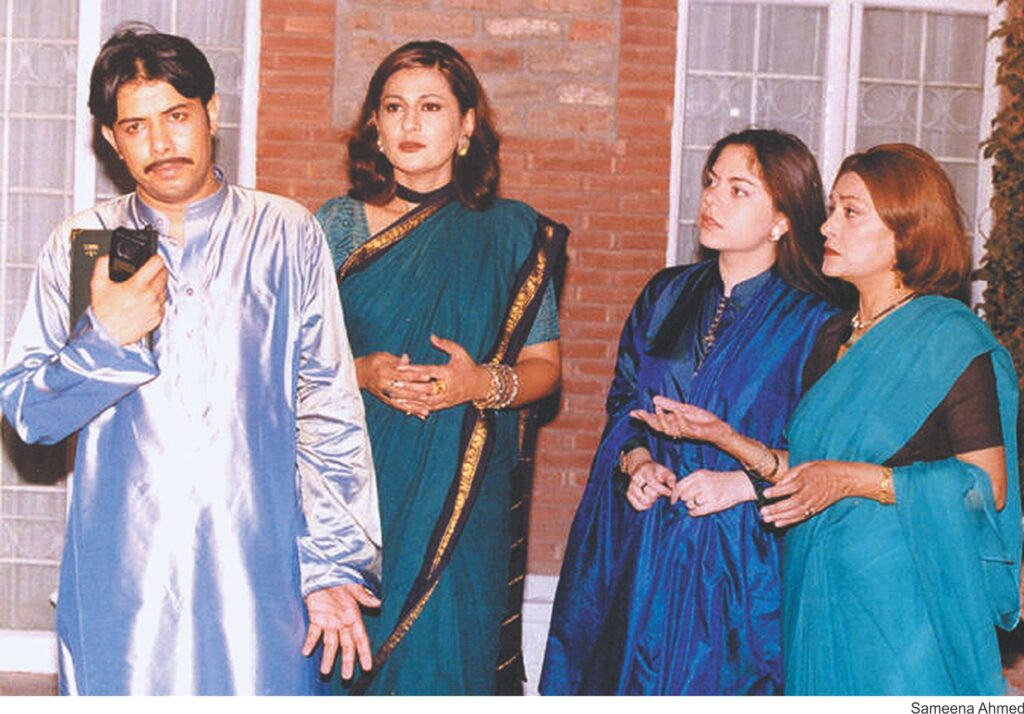
The second generation of theatre actresses after the ones mentioned above included Samina Ahmed, Attiya Sharaf, Sarwat Attique and Najma Mehboob. All of them appeared regularly on the stage with Khurshid Shahid . They chose to be actresses which then was considered to be socially unacceptable professions for middle-class women. Their choice was greatly facilitated by television which at least provided some return for their labour. To put it somewhat differently, when television came to Pakistan in the mid-60s it provided another avenue for women to act. Its environment was perceived to be cleaner than that of the cinema and more in line with the ‘respectable professions’. Many young women made their debut on television and later became renowned as stage actresses as well.
There was also a thriving rural theatre in the Punjab and women acted on stage there in the era after partition. The Punjabi theatre initially totally controlled by men who were directors, producers, actors and set designers in them, but later there was some leeway for actresses. The most famous of them was Bali Jatti. She was a vivacious young woman who was into acting because of her family’s association with the performing arts. The three famous theatre groups then were led by three famous personalities of the stage, Alam Lohar, Inayat Hussain Bhatti and Gaman. Alam Lohar was a very famous singer who had a vast repertoire of folk tales that he rendered in his theatrical performances. His memory was phenomenal and he could keep the audiences enthralled for the entire night. Similarly, the theatre of Inayat Hussain Bhatti too was based on music. Being a singer himself who would later became famous on radio and in films, he took part in folk theatre based on the legends of Punjab, Sindh and Balochistan. His theatre had female performers too but they only had small peripheral roles; the central ones were dominated by males, especially by Bhatti himself.
Bali Jatti, however, ran her own theatre and it was such a smashing success that the men at times were left wondering how to counter her popularity. She looked very ravishing on the stage, had a great deal of vivacity, and could sing and dance—at times with the stamina of a gymnast—throughout the night.
The commercial stage started to pick up in the late 60s and became a viable proposition by the beginning of the 70s. Many plays were staged in the decade and many new venues were introduced. The first women who appeared in the city-based commercial theatre were Nuzhat Rizvi and Roomana. Their work was based on improvisation. The scripts were minimal and if they were properly written, deviations from the written text were desired and quite common. Adlibbing was always appreciated and applauded by the audiences and the actors too thought this to be the acme of their creativity. Needless to say this theatre thrived on double entendres. This form of theatre was thus mostly based on improvised dialogues and repartee between the actors and, at times, exchanges with the audiences. Roomana was the first woman who took part in this verbal exchange. Previously, verbal exchanges, though revolving round women were not participated in by them but Roomama took an active part in it. She refused to stand on the side looking seductive and pretty while words flew around at her expense. She took part and in the action and with devastating wit demolished quite a few well-known names. But the actress who took it to its limits was Sheeba Butt. For her for the first time audiences thronged to the theatre to see a woman perform. She too did not follow the script but adlibbed all the time, displaying her ready wit.
In the decade of the 90s dance became an indispensable part of plays. The script then became hostage to dance numbers in the production. The most famous of these actresses-cum-dancers is Nargis. This theatre imitated Pakistani films as dance numbers were accompanied by songs from films. This theatre began to overshadow all other forms of popular commercial theatre. Many a time this type of theatre was banned for vulgarity since the dances were very obscene but it bounced back with vengeance every time the ban was lifted.
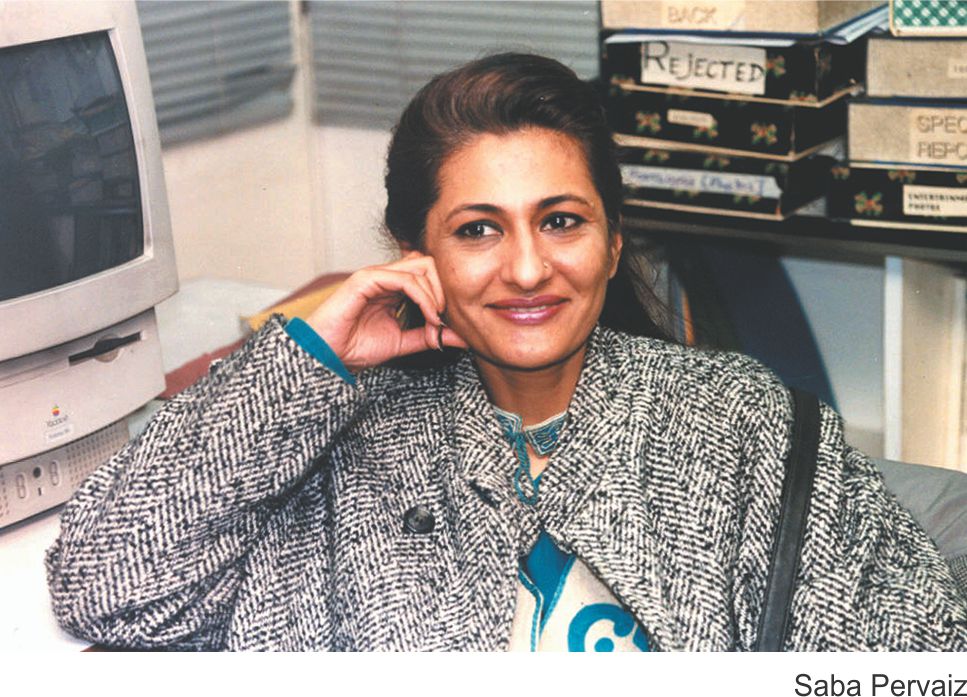
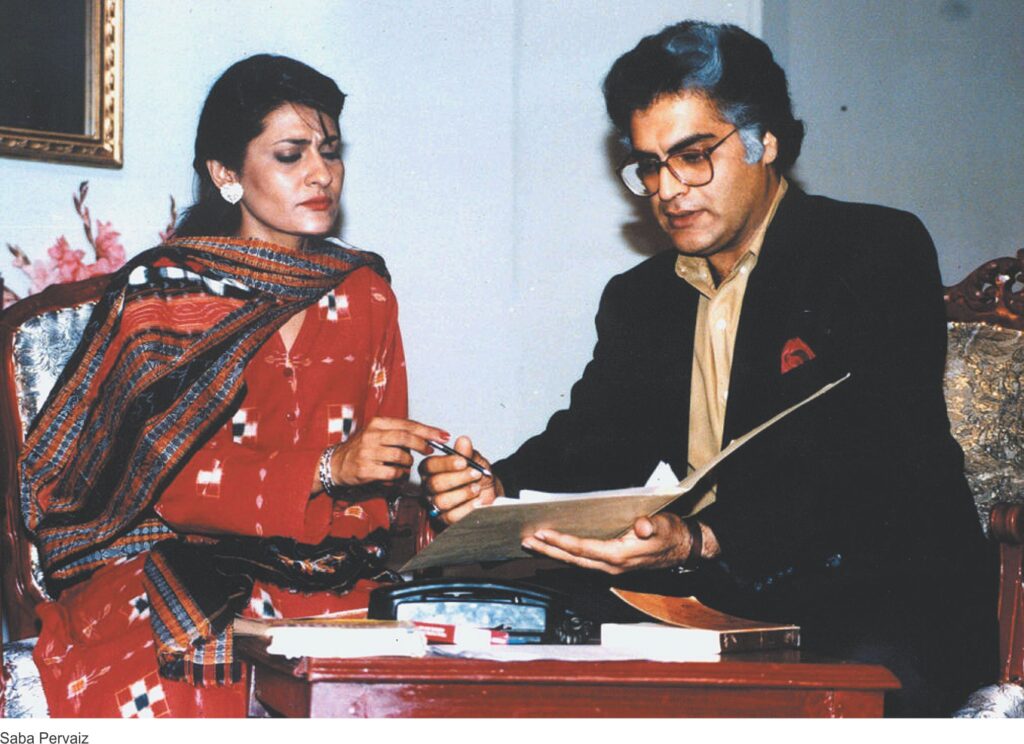
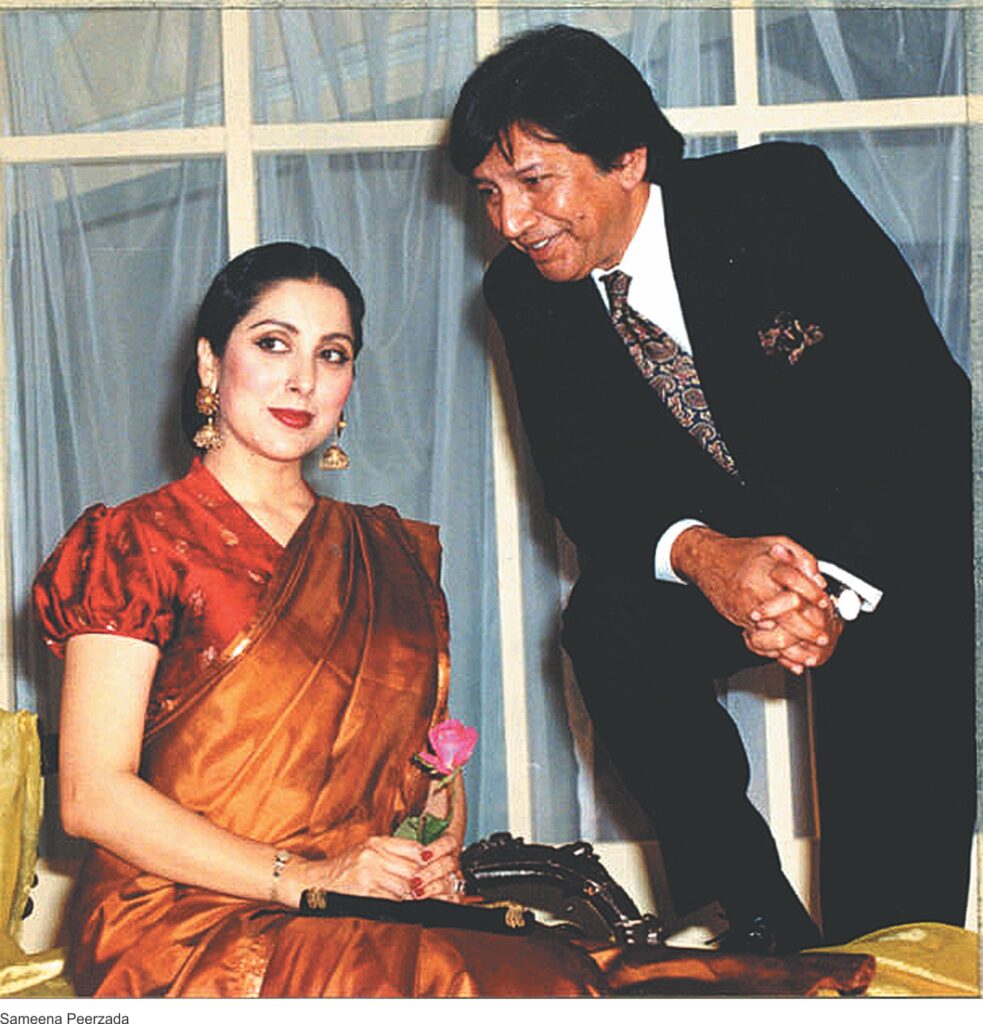
Saba Pervaiz and Samina Peerzada became the leading actresses in the 90s. Both took part in some important plays and performed very well. On stage Saba Pervaiz also performed regularly in the professional theatre although Samina Peerzada restricted herself to theatre that was not strictly commercial. Both at the same time were leading television actresses as well.
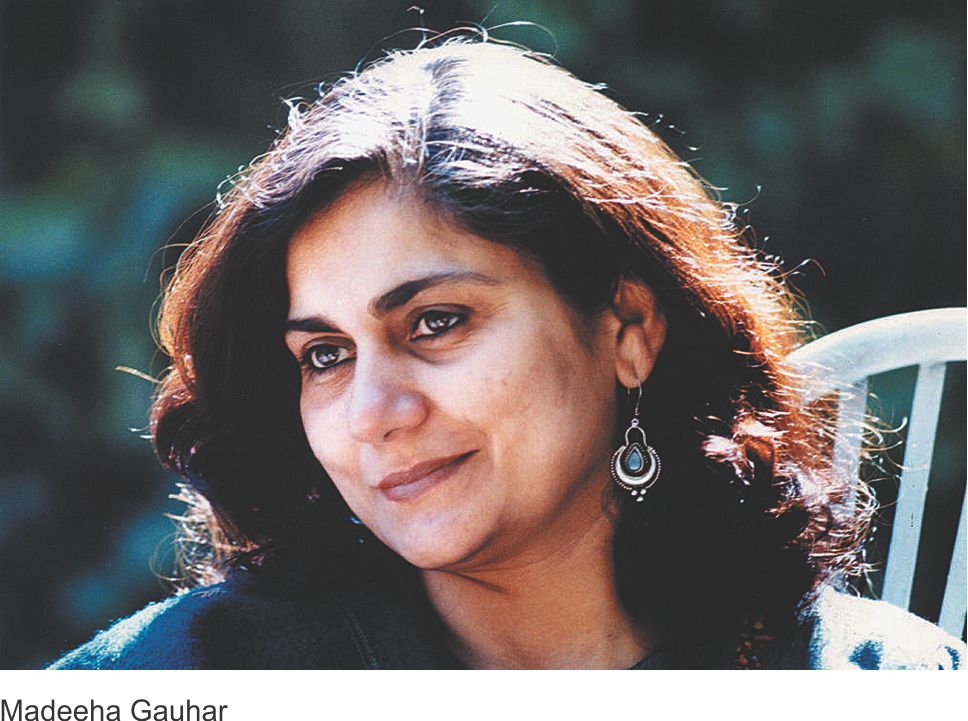
In the early 1940s the parallel theatre was initiated and led by Ajoka in Lahore and Dastak in Karachi. The prime mover behind Ajoka is Madeeha Gauhar, a woman. About twenty years ago and in the dark days of the martial law regime, the theatre was seen as an outlet from the suffocating political situation of the country. It was also perceived by practitioners to be more than just theatre and as a joining of forces between political workers struggling for the restoration of democracy and creative artists demanding greater freedom for self-expression.
Ajoka was denied permission to perform at the Alhambra, the main theatre hall under the control of the government, and also at other public places for which a ‘no objection certificate’ (NOC) has to be obtained from district authorities. In defiance, she staged a play in the back lawn of Madeeha Gauhar’s house. It was an instant success for a variety of reasons.
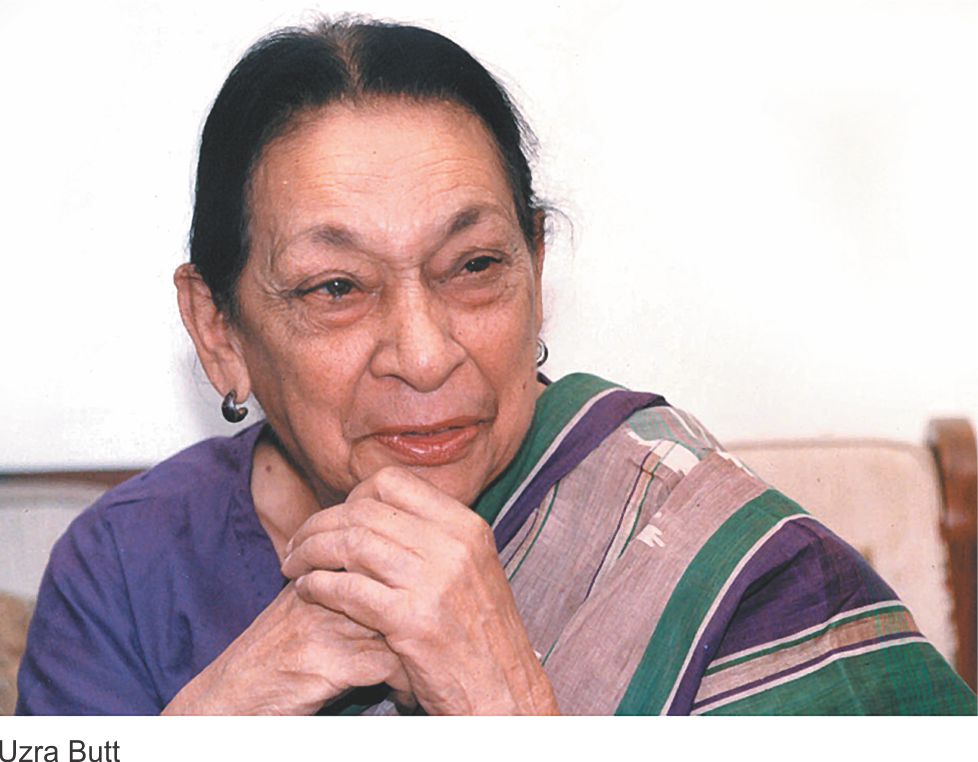
The entire successful battle of Ajoka for creative and political freedom was waged by Madeeha Gauhar, an actress, a director, and also the producer/ manager of the group for the next ten years. From time to time she was assisted, particularly in acting, by her younger sister Faryal Gauhar. She was also instrumental in reviving the career of Uzra Butt who had earlier been associated with the group of Uday Shanker as Uzra Mumtaz in the 1930s. She then took part in plays staged under the banner of the Indian Peoples Theatre association (IPTA) and played the lead in Khawaja Ahmed Abbas’s Zudaida in Bombay. She migrated to Pakistan and more or less left the theatre but resumed her acting career at the insistence of Ajoka in the 1980s after a gap of about forty years. In the last twenty years or so she has acted in more than two dozen plays and the number of her performances runs into hundreds. Her sister Zohra Sehgal too has been actively pursuing a career as an actress on stage, in films and on television in India.
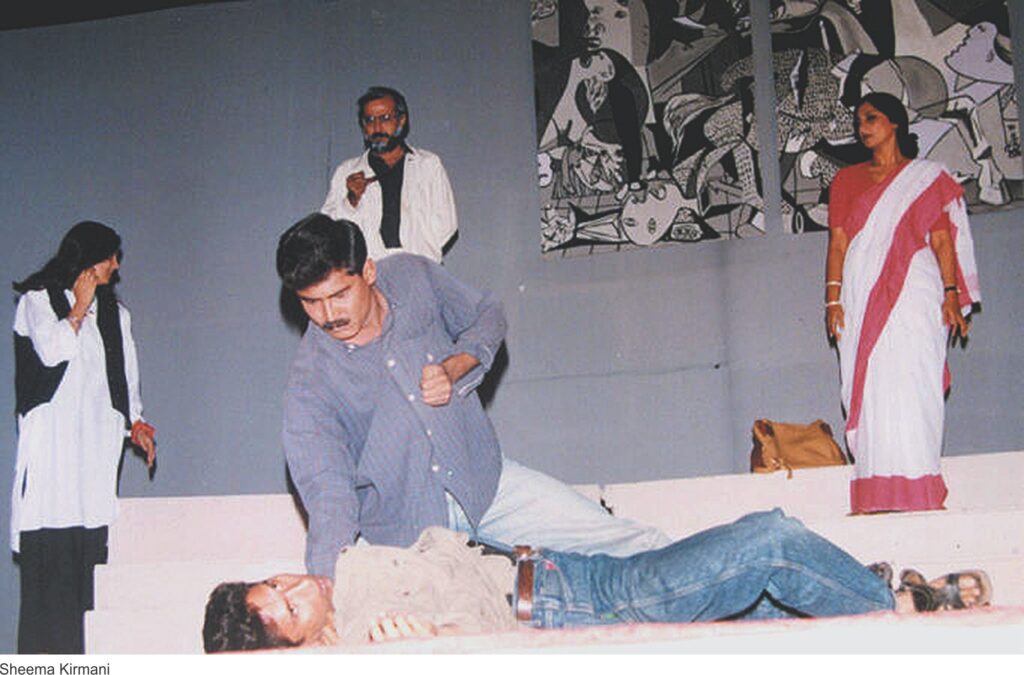
Meanwhile Sheema Kirmani formed a theatre group that produced plays involving women’s issues. Aptly named Tehreek e Niswaan, it also had to struggle against great odds not so much against the authorities but against public prejudice. However, it has survived for over twenty years. Besides being the main spirit behind the group, Sheema Kirmani has acted in most of its plays. A trained dancer, she has also faced immense opposition in presenting her dances at public forums. Some of her plays have been about dance, or have made liberal use of dance, and her two passions, dance and woman’s freedom have been conjoined in her theatre.
One of the important aspects of Sheema Kirmani’s group is that she has a mobile unit which serves as a touring theatre. They have staged plays in smaller places, towns and villages where their unit performs mostly in conditions far from ideal. Making a virtue of necessity, the group improvises where the question of set and props is concerned, and resorts to mime and movement, while a story line expresses its main message.
During the 80s there was a split in Ajoka and a splinter group calling itself Lok Rehas was formed; it vowed to only do theatre in Punjabi. Huma Safdar, one of the major figures in this movement has acted in a large number of plays and also directed a few. Later, as a teacher in a school in charge of dramatics she began producing plays based on local legends and tales. To many watching her was almost their first exposure to their rich folk tradition.
In the 90s a group called Katha was formed in Karachi, it was also spearheaded by a woman. Sania Saeed has been one of the most prominent young women performers to have emerged in the last few years; her theatre has also been involved with the issues of women as well as the values of democratic freedom and liberty. Katha has been staging plays mostly in Karachi, but given opportunities to perform also in other cities of the country.
Now there are more women acting on stage than in the past and the divide between commercial theatre and the so-called parallel theatre keeps drawing women from different backgrounds. Barring one or two like Saba Pervaiz, who is comfortable and at home in both types of theatres, the others restrict themselves to one particular form of theatre.
Sarwat Ali is Professor at the National College of Arts, Lahore
In the commercial theatre of the past in Pakistan, known popularly as the Parsi Theatre, usually men performed the role of women. By the turn of the twentieth century, however, women started to make their presence felt To learn about the women who have worked in theatre in Pakistan it is crucial to know about…