

festivals of yore
Bangladesh has been famous for centuries for its unique festivals and ceremonies. Although most of these are religious in nature, there are also seasonal celebrations of a cultural or secular character, where people participate spontaneously, irrespective of religion, caste, creed and social class. Such occasions reflect the shared and composite cultural values of the people.
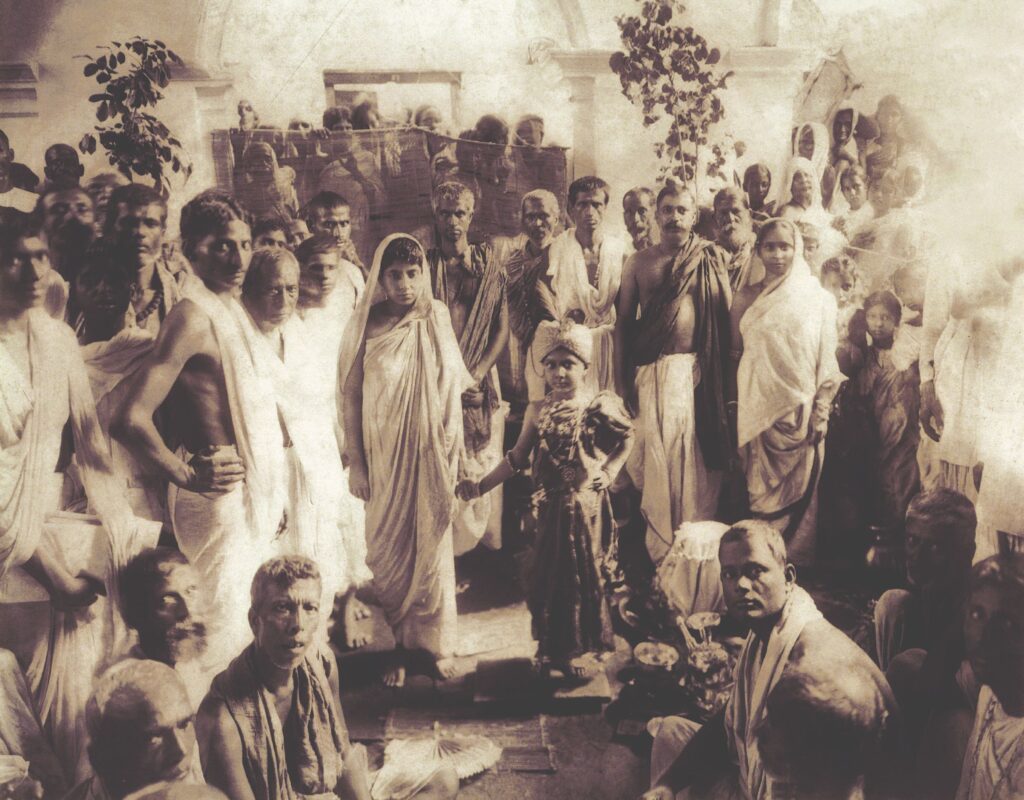
It is heartening to note that during the Mughal, Nawabi, Company and British periods, people of different faiths and sects eagerly participated in each other’s festivals and ceremonies. During the heyday of Mughal rule in Jahangirnagar (Dhaka), the Subedar (Governor), high Mughal officials, as well as the cavalry, participated in colourful ceremonial processions marking special occasions. It is on record that the Naib-Nazims of Nimtali, Dhaka, and later the Dhaka Nawab family, took active part in such festivals, regardless of their religious orientation.
Nau-dawr or Nauka-Baich (boat race) on the Buriganga and the Dholaikhal was another major sporting event of the past. These colourful event drew huge crowds who would line the banks amidst thunderous applause. Many onlookers used to place bet and cheer their boating teams.
Kite flying or hareefi, meaning fighting the opponent, was a popular seasonal sporting event in Old Dhaka. The Armenian community in those days actively promoted this sport along with others. The season opened in the springtime and lasted for weeks amidst great excitement. Teams representing different mohallas (localities) of Old Dhaka, such as Lalbagh, Bangshal, Nawabganj challenged each other in the art of kite flying. Some of the main kite flying events took place in vast maidans (fields) at Ramna, Armanitola and Kamrangirchar.
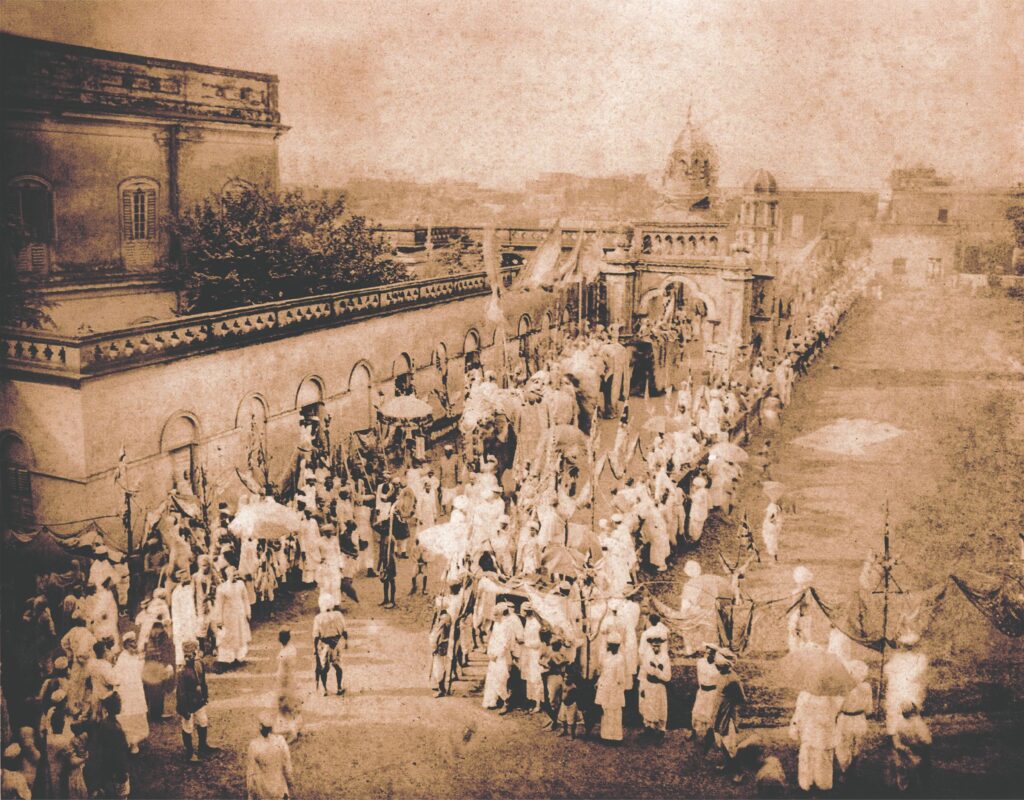
In those days, Dhaka used to be agog with revelry, pomp, feasts and ceremonial processions (jaloos) during festivals. The main festivals and ceremonies which resulted in elaborate merry-making–song, dance, instrument playing and feasting–as well as colourful fairs (melas) were Janmasthami, Holi, Nauroz, Diwali, Pahela-Baishak and the major Pujas–Durga, Saraswati, Lakshmi and Kali. Elaborate processions (jaloos) were brought out in the old town in observance of Janmasthami, Fatiha-i-Dowaz Dahum, Eid-e-Miladunnabi, Eid, Muharram (somewhat sombre) and Rath-Jatra (the ceremonial chariot-pulling of the Hindu deity, Lord Jagannath). All of them attracted huge crowds. Such festivals indicate the eclectic cultural atmosphere and communal harmony prevailing then.
Waqar A. Khan is a writer and researcher. He has recently published Rare Photographs of Eastern Bengal (1880-1940)
Bangladesh has been famous for centuries for its unique festivals and ceremonies. Although most of these are religious in nature, there are also seasonal celebrations of a cultural or secular character, where people participate spontaneously, irrespective of religion, caste, creed and social class. Such occasions reflect the shared and composite cultural values of the people.…