

the indigenous people of bangladesh
A co-founder of Bangladesh’s first cooperative photo agency, MAP, Mahmud has been living among the indigenous people of Bangladesh and photographing them for almost a year now. The photo essay by Mahmud gives an insight into the life and culture of the vanishing indigenous people of the country.
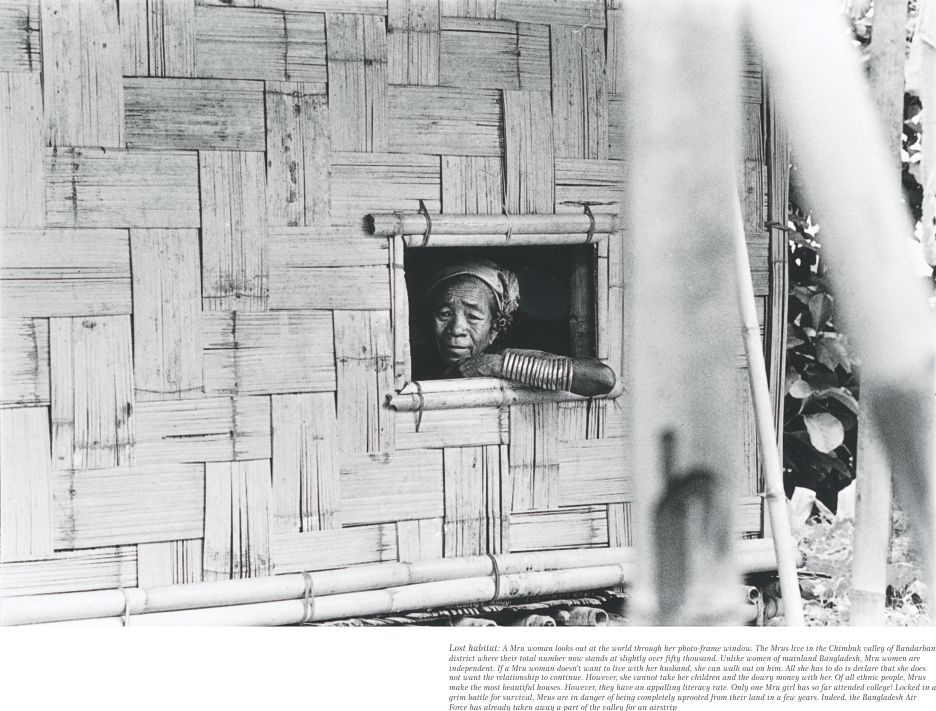
A few years ago I came across a book on the Mru tribe of Bangladesh. The book, published with generous funding from National Geographic, featured photos of the Mru people taken in the 1960s and 70s. I found the book anthropologically an intriguing read, but the photographs somehow did not appear to capture the spirit of the text. They seemed to concentrate more on the nude Mru women than the truth of their lives. The book was meant primarily for western readers, and a slant towards exoticism was obvious. The photographs not only seemed to highlight Mru women as sex objects, they also underscored how primitive the Mrus were. I knew that it was not right; that the book only perpetrated certain stereotypes.
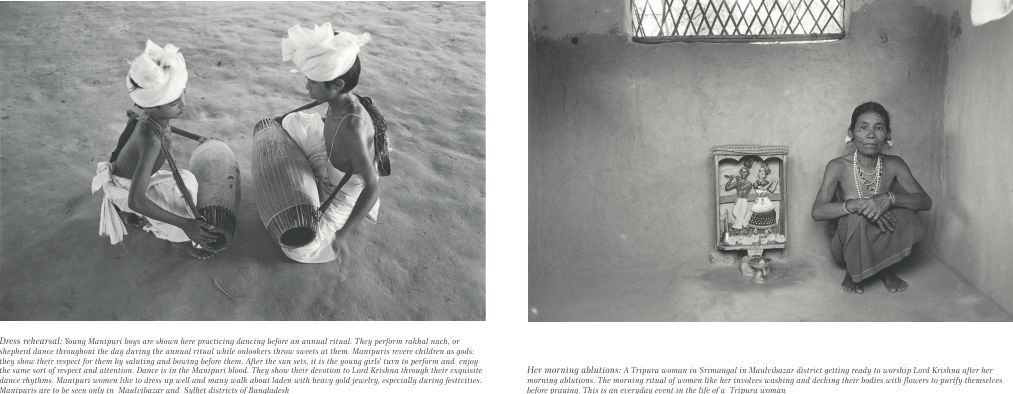
Reading the book also made me aware of the need for a longer involvement with a culture before arriving at any conclusion about particular cultural practices, lifestyles and beliefs. It also made me realize how little interest we Bengalees have about the ethnic groups that make up our indigenous population. Indeed, a library or archival search would reveal how little research has been done on the life and culture of these people. On top of that, over the last few decades, the ethnic minority groups have been increasingly marginalized, to the extent that some of the groups now find themselves threatened with extinction.
The indifference shown to the indigenous people of Bangladesh, it seemed to me, was depriving us of a rich experience of cultural diversity. I decided to do something to fill the gap. I decided to actually go and live among the different ethnic groups and photograph their daily life, their culture and their social interactions. Behind such a move lay my penchant for taking up challenging tasks. I have done this before, and I know I shall do so in the future.
After a time spent in traversing the forgotten hills and valleys of the Chittagong Hill Tracts (CHT) as a way of acclimatizing myself to the place and the people, I felt that I was ready to begin my assignment. But I soon found out that it was too big a job to carry on with my rather meagre resources. I approached SIDA, an international agency, for funds. SIDA approved the funding for a year’s work. I am now about to complete my first year.
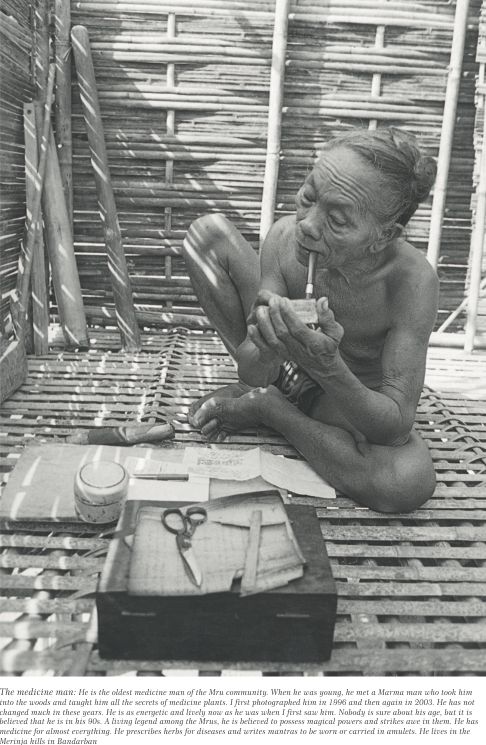
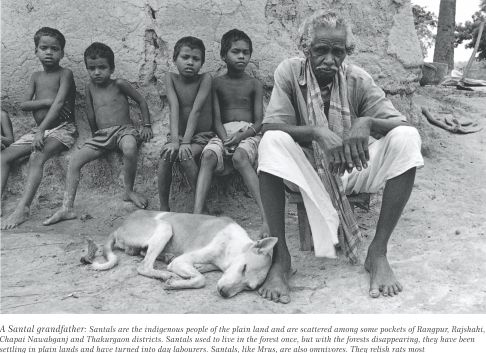
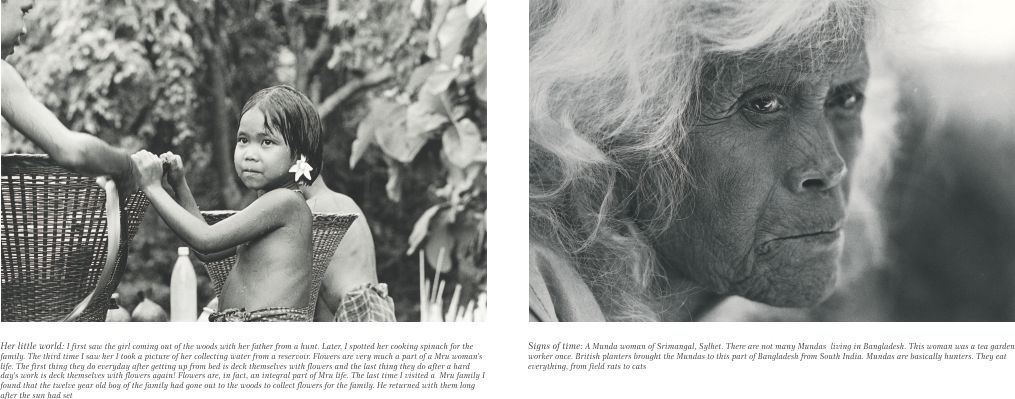
When I began, I knew very little about the life, lifestyle and culture of the many ethnic groups who inhabit the geographical peripheries of our country. But my readings since then and a year’s stay with these groups have more than compensated for my earlier ignorance. I am now familiar with the eleven major and many minor ethnic groups who live in the CHT, for example, besides other ethnic groups who live in greater Sylhet, Mymensingh, Rajshahi and Faridpur districts. Of all the groups in the CHT, I found the Mrus alone steadfastly maintaining their tradition. Urbanization and conflicts with settlers have not ruffled the tranquility of their life. Photographically, there was a lot for me to do. Over the year, I took rolls of photographs, not simply of the Mrus, but of other ethnic groups as well. Naturally, not every picture came up to my satisfaction. Out of several thousand, I have now selected about 2500 images that, together, reveal the fascinating life and cultures of the hill people, and the ethnic groups of other regions of Bangladesh. The photographs here are a sampling of my year’s output.
A co-founder of Bangladesh’s first cooperative photo agency, MAP, Mahmud has been living among the indigenous people of Bangladesh and photographing them for almost a year now. The photo essay by Mahmud gives an insight into the life and culture of the vanishing indigenous people of the country. A few years ago I came across…